
Solar Shades Union KY | UV Protection & Glare Control
That 3 PM Glare Problem in Your Union Living Room
It’s mid-January in Union, and the afternoon sun is pouring through your south-facing windows at a punishing angle. You’re squinting at your laptop, the TV is unwatchable, and your leather sectional is getting another dose of UV that’s slowly bleaching its finish. Sound familiar? If you live in one of the modern open-concept homes going up along Union Centre Boulevard or in the growing Richwood subdivisions, you already know this scenario well. Those beautiful floor-to-ceiling windows that sold you on the house are now the source of daily frustration—and hidden damage.
Here’s the quick answer if you’re searching for solar shades in Union KY: Solar shades are woven fabric window treatments engineered to filter specific percentages of incoming light while preserving your view. For Northern Kentucky’s low winter sun angle and intense summer UV, they’re one of the most effective single solutions—outperforming standard blinds for glare control and often more practical than window film for newer homes where you want adjustability.
Made in the Shade Northern Kentucky, based just minutes away in Independence, helps Union homeowners choose the right openness factor, fabric color, and mounting style for each room’s unique sun exposure. Keep reading to understand why your new-construction windows are working against you—and how to fix it without sacrificing the views you paid for.
Why Union’s Newest Homes Have the Worst Sun Exposure
The Low Winter Sun Angle
Northern Kentucky sits at roughly 39 degrees north latitude. From November through February, the sun never climbs very high in the sky—even at midday it’s barely 30 degrees above the horizon. That low angle sends direct sunlight deep into your home’s interior, reaching spots that stay shaded during summer. If your Union home faces south or southwest, you’re getting slammed with glare precisely when you’re trying to work from home or relax after picking up the kids.
Floor-to-Ceiling Glass Amplifies Everything
Walk through the subdivisions near Big Bone Lick State Historic Site and you’ll notice a pattern: modern construction prioritizes natural light. Great for aesthetics, challenging for comfort. Standard double-pane windows block very little UV—most estimates suggest residential glass stops only a portion of UVA rays while allowing visible light and heat to pass freely. Your furniture, hardwood floors, and artwork absorb the consequences season after season.
Summer Brings a Different Problem
When June arrives, the sun arc shifts high overhead, but now you’re dealing with prolonged exposure hours and serious heat gain. Duke Energy Kentucky bills climb as your HVAC system fights against solar heat streaming through those same windows. Boone County summers regularly push into the 90s with humidity to match—every bit of solar management helps.
How Solar Shades Actually Work (And Why Openness Factor Matters)
Solar shades aren’t magic—they’re engineered textiles. The key specification is openness factor, expressed as a percentage. This number tells you how much of the fabric surface is open weave versus solid. Here’s what that means in practice:
| Openness Factor | Glare Reduction | View Clarity | Best Use Case |
|---|---|---|---|
| 1% | Maximum | Limited daytime view | Home offices, media rooms |
| 3% | Strong | Good view preservation | Living rooms, kitchens |
| 5% | Moderate | Excellent outward visibility | Spaces prioritizing the view |
| 10% | Light filtering | Nearly unobstructed | Covered porches, low-glare rooms |
For most Union homes dealing with that harsh winter afternoon sun, a 3% openness factor hits the sweet spot—strong enough glare reduction to make the room usable, open enough that you’re not staring at a blank wall. Fabric color matters too: darker shades reduce glare more effectively but can absorb heat, while lighter colors reflect more solar energy but may create a slight washed-out view.
UV Blocking Performance
Quality solar shade fabrics block a significant percentage of UV radiation—often in the range of 90% or higher, depending on the weave density and material. This matters for protecting your furniture investment. That sectional you bought for your Richwood great room isn’t cheap to replace when the leather starts cracking from UV degradation. UV blocking shades for Northern Kentucky homes provide year-round protection without requiring you to keep blinds completely closed.
Solar Shades vs. Window Film: Which Makes Sense for Your Union Home?
Homeowners often ask whether they should install solar shades or apply window film. Both reduce glare and UV—but they serve different needs:
- Solar shades are adjustable. Raise them on cloudy days when you want maximum light; lower them when that afternoon glare hits. They’re ideal for new construction in Union where window configurations vary room to room.
- Window film is permanent and always-on. Once applied, you can’t turn it off. For some rooms that’s fine—but for living spaces where lighting needs change throughout the day, it can feel limiting.
- Installation considerations: Film application on newer low-E windows can sometimes void manufacturer warranties. Check your window specs before committing. Solar shades mount independently and don’t affect glass warranties.
For most modern Boone County homes, solar shades offer more flexibility—especially when your floor plan includes multiple window orientations with different sun exposure patterns.
What About Exterior Shades?
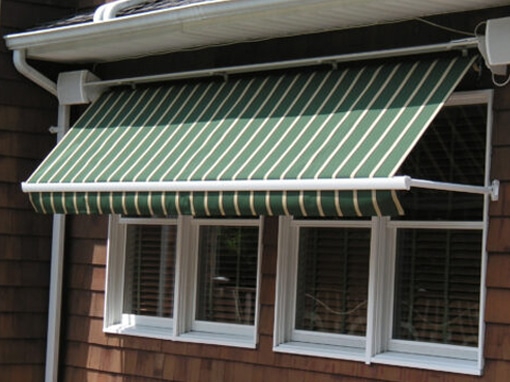
Exterior solar shades stop heat before it enters the glass and are generally more effective at reducing cooling loads. However, they require exterior mounting hardware, exposure to weather, and more complex installation. For Union’s four-season climate—where you’ll see everything from ice storms to humid summer heat—interior solar shades are typically the more practical choice for most homeowners.
Choosing the Right Sun Control Window Treatments for Each Room
Your home office on the second floor has different needs than your first-floor kitchen. Here’s how to think through room-by-room selection:
Home Offices and Media Rooms
Prioritize maximum glare reduction. A 1% openness factor eliminates screen glare almost entirely. If you’re working from home—common in Union’s commuter-heavy households—this is where you’ll feel the biggest quality-of-life improvement.
Great Rooms and Living Areas
Balance is key. A 3% shade in a neutral tone reduces glare while keeping your connection to the outdoors. These rooms typically have the largest windows, so professional measurement ensures clean coverage without gaps.
Kitchens and Breakfast Nooks
Consider motorized operation for hard-to-reach windows above sinks or in two-story spaces. Cordless and motorized screen shades in Boone County homes are increasingly popular for both convenience and child safety.
Bedrooms
Solar shades alone won’t provide full blackout—they’re designed to filter, not eliminate, light. For bedrooms, consider pairing a solar shade with a secondary blackout treatment, or opt for dual-shade systems that offer both options in one headrail.
Pro tip: When getting quotes for solar shades in Union KY, ask your installer about fabric samples at different times of day. A shade that looks perfect under showroom lighting may perform differently when your actual afternoon sun hits it.
What Solar Shades Cost in Union and Northern Kentucky
Pricing for solar shades varies based on window size, fabric selection, and operating mechanism. As a general guide for the Northern Kentucky market:
- Basic manual solar shades for standard windows typically start in the low-to-mid hundreds per window
- Motorized systems add cost but eliminate cord hazards and enable smart-home integration
- Whole-home packages often come with volume pricing that makes per-window costs more manageable
The most accurate way to understand cost for your specific situation is a professional in-home measurement. Window dimensions in new Union construction vary widely—those dramatic two-story windows in the great room will cost more than a standard bedroom window. Made in the Shade Northern Kentucky provides free measurements so you get real numbers for your actual home, not estimates based on averages.
Getting Solar Shades Right: The Measurement and Installation Process
Here’s what to expect when you schedule with a local provider like Made in the Shade Northern Kentucky:
- In-home consultation: A specialist visits your Union home to assess sun exposure, measure each window precisely, and discuss fabric options. This appointment typically takes 45 minutes to an hour.
- Sample review: You’ll see actual fabric samples against your windows and in your light conditions—not just catalog photos.
- Custom fabrication: Solar shades are made to your exact measurements. Manufacturer lead times vary, but expect several weeks for production.
- Professional installation: Proper mounting ensures smooth operation and complete coverage. For motorized shades, this includes programming and testing.
DIY solar shade kits exist, but the precision required for those large Union windows makes professional installation worth considering. Gaps, uneven hems, and mounting errors are common with self-installation on oversized openings.
The Verdict: Are Solar Shades Worth It for Union Homeowners?
If you’re living in one of Boone County’s fastest-growing communities and struggling with glare, fading furniture, or summer heat gain, solar shades address all three problems with a single solution. They’re more flexible than window film, more effective than standard blinds for harsh low-angle sun, and designed specifically for the kind of modern, window-heavy construction dominating Union and Richwood neighborhoods.
The investment protects your furniture and flooring from UV damage, reduces your Duke Energy Kentucky cooling costs during summer months, and makes your home genuinely more comfortable to live in year-round. For homes near Union Centre Boulevard or the developments spreading toward Big Bone Lick State Historic Site, solar shades are quickly becoming a standard upgrade—not a luxury add-on.
Ready to solve your glare problem? Made in the Shade Northern Kentucky serves Union, Richwood, and communities throughout Boone County from our Independence location. Call (859) 568-8106 to schedule your free in-home measurement, or request a consultation online. Protect your Union home from winter sun damage—request your free solar shade measurement today.
Frequently Asked Questions
How do I choose between solar shades and cellular shades for my Northern Kentucky home?
Solar shades prioritize glare reduction and UV blocking while maintaining outward visibility—ideal for rooms where you want to see outside while reducing harsh sun. Cellular shades prioritize insulation, trapping air in honeycomb pockets to reduce heat transfer. If your primary concern is that punishing afternoon glare in Union, solar shades are typically the better fit. For rooms where energy efficiency matters most, cellular shades may be worth considering as an alternative or complement.
Can solar shades be installed on sliding glass doors?
Yes—solar shades work well on sliding doors, which are common in Union’s newer open-concept floor plans. For doors, consider vertical orientation options or panel-track systems that slide aside when you need access. Motorized versions are particularly convenient here since you can raise or lower the shade without reaching across a wide opening.
Will solar shades make my rooms too dark during winter?
Not if you choose the right openness factor. A 3% or 5% weave admits plenty of daylight while cutting the blinding glare from that low winter sun. You’ll have a softer, more even light rather than harsh direct rays alternating with deep shadows. And since solar shades are adjustable, you can raise them completely on overcast days when glare isn’t an issue.