

Plantation Shutters for Northern Kentucky Historic Homes | Expert Installation
Plantation Shutters for Northern Kentucky Historic Homes | Expert Installation
Ohio River humidity destroys ordinary window treatments in Northern Kentucky historic homes. Learn which plantation shutters actually survive our climate.
That warped, peeling window treatment you’re staring at right now? Blame the Ohio River. Northern Kentucky homeowners restoring Victorian row houses in Covington MainStrasse or Federal-style mansions near the Cathedral Basilica of the Assumption face a brutal reality: humidity levels averaging 70-75% during summer months literally destroy standard wood blinds within 3-5 years (Source: National Oceanic and Atmospheric Administration Climate Data, 2023).
If you’ve invested in preserving your heritage home’s character, watching your window treatments buckle and warp feels like money thrown directly into the river. This guide shows you exactly which plantation shutter materials, mounting systems, and custom configurations actually survive Northern Kentucky’s punishing climate while honoring your historic home’s architectural integrity.
Why Northern Kentucky’s Climate Demands Specialized Shutters
The Ohio River Humidity Problem
Living within sight of the Roebling Suspension Bridge comes with a hidden cost. The Ohio River creates a microclimate that swings from 85% relative humidity in August to bone-dry 25% when your Duke Energy bill spikes during January heating season. Standard plantation shutters marketed in big-box stores assume stable, climate-controlled environments. Your 1890s Craftsman bungalow in Fort Thomas doesn’t qualify.
Wood expands when humid, contracts when dry. This constant movement cracks paint, loosens louvers, and eventually warps entire frames beyond repair. According to the National Association of Home Builders, window treatments in high-humidity river valley regions require replacement 40% more frequently than identical products in arid climates (Source: NAHB Remodeling Market Index Report, 2022).
Temperature Swings Between Seasons
Northern Kentucky experiences temperature differentials exceeding 100°F annually—from -10°F winter lows to 95°F+ summer highs (Source: Kentucky Climate Center, University of Kentucky, 2023). Your historic home’s single-pane windows conduct this temperature directly to interior shutters. Condensation forms, moisture penetrates wood grain, and deterioration accelerates. You need materials engineered for extremes, not catalog aesthetics.
Best Shutter Materials for Historic Northern Kentucky Homes
Composite Hardwood: The Heritage Home Champion
For Newport East Row Historic District homeowners committed to authentic appearance, composite hardwood shutters deliver the visual warmth of traditional basswood with engineered moisture resistance. These shutters combine real wood veneers over moisture-stable MDF cores, preventing the warping that ruins solid wood options.
- Withstands humidity fluctuations from 20% to 90% without dimensional change
- Accepts custom paint matching for Victorian color palettes
- Qualifies for most historic preservation tax credit programs
- Costs 15-25% less than premium solid hardwoods
Engineered Polymer: Maximum Durability
If your priority is zero maintenance over 25+ years, polymer shutters constructed from UV-stabilized polypropylene outperform every alternative in Northern Kentucky conditions. They won’t fade from sun exposure through your south-facing Covington MainStrasse windows, and they’ll never absorb moisture regardless of how many humid July nights you keep windows cracked.
| Material | Humidity Resistance | Historic Appearance | Lifespan | Price Range |
|---|---|---|---|---|
| Solid Basswood | Poor | Excellent | 5-10 years | $350-$500/window |
| Composite Hardwood | Excellent | Excellent | 15-20 years | $280-$400/window |
| Engineered Polymer | Superior | Good | 25+ years | $250-$380/window |
| Aluminum Core | Superior | Moderate | 30+ years | $400-$550/window |
Aluminum-Core Shutters for Extreme Applications
Bathrooms and kitchens in your Fort Thomas home face direct moisture assault. Aluminum-core shutters with polymer coating provide absolute imperviousness—you could pressure wash these and they’d survive. The trade-off? Slightly less authentic appearance. But for secondary spaces, this material means installing once and forgetting maintenance forever.
Custom Configurations for Victorian and Federal Architecture
Arched and Circle-Top Windows
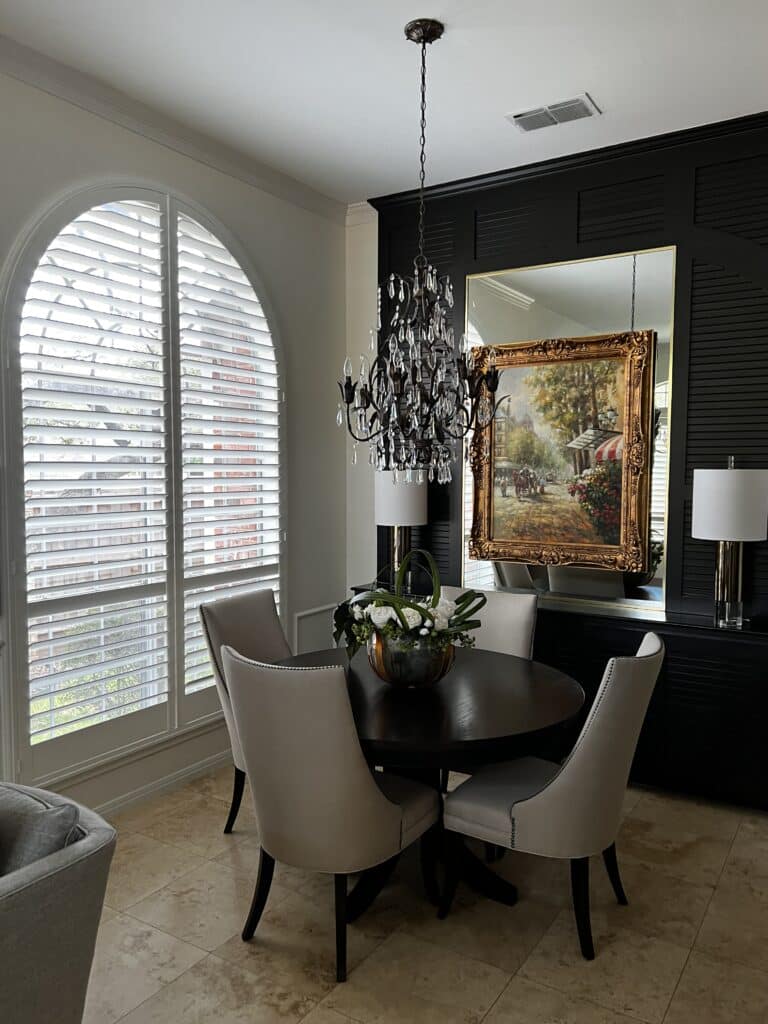
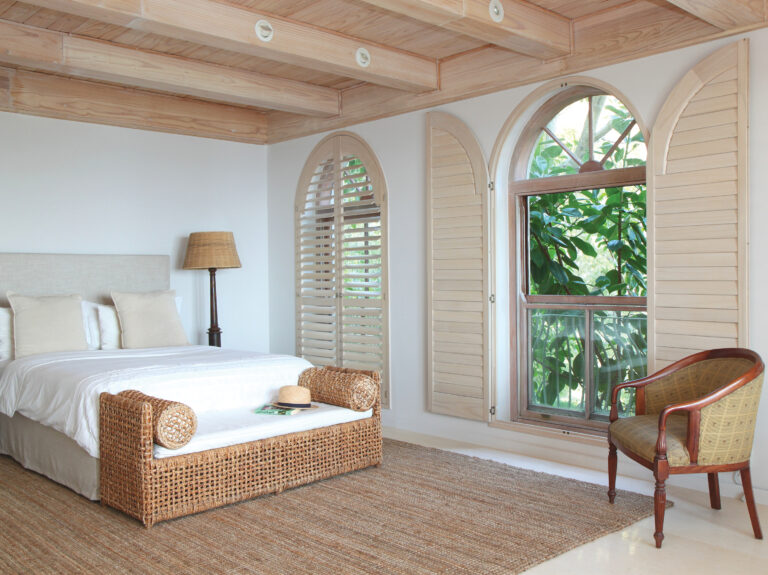
Here’s where national chains completely fail Northern Kentucky historic homeowners. The arched windows crowning your Federal-style mansion near the Cathedral Basilica of the Assumption require custom-fabricated sunburst louver patterns that big-box retailers simply don’t offer. These specialty configurations cost 30-50% more than rectangular equivalents but transform your most dramatic architectural feature into a functional light-control element.
Budget retailers targeting standard suburban homes ignore this market entirely. Your circle-top windows deserve craftsmen who understand heritage architecture—not salespeople reading from scripts designed for cookie-cutter subdivisions.
Bay Window Installations
Craftsman bungalows throughout Northern Kentucky feature prominent bay windows that require precise angle calculations for seamless shutter integration. Each panel must align perfectly when closed while allowing full 180-degree louver rotation. Improper measurement creates light gaps, visible misalignment, and daily frustration.
- Measure each facet independently—bay angles vary even within single homes
- Specify custom hinges rated for frequent operation
- Consider bifold configurations for wider window spans
- Request mockup photos before final fabrication
Transoms and Sidelights
Victorian row houses in the Newport East Row Historic District feature decorative transoms above primary windows and sidelights flanking entry doors. These narrow configurations demand horizontal louver orientation rather than standard vertical alignment. The visual effect maintains period authenticity while providing privacy control impossible with fixed treatments.
Energy Efficiency and Duke Energy Savings
R-Value and Insulation Performance
Plantation shutters installed with proper weather-stripping achieve R-values between 3.0 and 4.5, reducing heat transfer through your single-pane historic windows by up to 45% (Source: U.S. Department of Energy Window Technologies Report, 2022). For Duke Energy customers in Northern Kentucky, this translates directly to lower heating bills during January cold snaps and reduced air conditioning loads through August humidity.
The Department of Energy estimates that 25-30% of residential heating energy use results from heat loss through windows (Source: U.S. Department of Energy, Energy Saver Guide, 2023). Quality shutters create an insulating air pocket between louvers and glass, dramatically slowing thermal transfer without compromising your historic home’s architectural character.
Strategic Louver Positioning
Your north-facing windows in Covington MainStrasse benefit from closed louvers angled upward during winter—bouncing available daylight toward ceilings while blocking cold drafts. South-facing exposures need seasonal adjustment: open wide during winter to capture solar heat gain, angled downward in summer to reject direct radiation.
Pro Tip: Motorized louver systems allow pre-programmed daily adjustments synced with sunrise/sunset times. This hands-off automation maximizes energy savings without requiring daily attention—particularly valuable for second-floor windows in multi-story Victorian homes where manual adjustment means climbing stairs.
Installation Considerations for Heritage Properties
Preserving Original Window Frames
Historic preservation guidelines in Northern Kentucky typically prohibit permanent modifications to original woodwork. Your plantation shutter installation must use reversible mounting systems that don’t require drilling into heritage window frames. Modern magnetic mounting and tension-fit systems provide secure attachment while preserving future restoration options.
Lead Paint and Asbestos Protocols
Homes built before 1978 throughout Fort Thomas and the Newport East Row Historic District likely contain lead paint on original window components. EPA regulations require certified renovation practices when disturbing these surfaces (Source: EPA Renovation, Repair, and Painting Rule, 40 CFR Part 745). Insist your installer holds current RRP certification before any work begins—this protects your family and ensures legal compliance.
Professional Measurement Requirements
Historic windows rarely measure true. Settlement over 100+ years, handcrafted original construction, and multiple previous repairs create dimensional irregularities invisible to untrained eyes. Professional measurement using laser technology identifies these variations, ensuring custom-fabricated shutters fit precisely rather than requiring on-site modification that compromises appearance.
Investment and Value Considerations
Quality plantation shutters represent permanent home improvements that transfer with property sale. The National Association of Realtors reports window treatment upgrades recover 75-85% of costs at resale in historic neighborhoods (Source: NAR Remodeling Impact Report, 2023). For Northern Kentucky homeowners in designated historic districts, appropriate window treatments also support property tax valuations and neighborhood character requirements.
Budget options saving $100 per window initially cost thousands in replacement cycles over 15 years. Your restoration investment deserves materials that perform as long as the home itself has stood.
Frequently Asked Questions About Historic Home Shutters
What’s the typical timeline from measurement to installation?
Custom plantation shutters for historic Northern Kentucky homes require 4-6 weeks from professional measurement to completed installation. Complex configurations involving arched windows, bay assemblies, or specialty color matching may extend timelines to 8 weeks. Factory-direct ordering eliminates retail markup while ensuring quality control throughout fabrication.
Do plantation shutters qualify for historic preservation tax credits?
Shutters meeting Secretary of the Interior Standards for Rehabilitation often qualify when installed as part of certified rehabilitation projects in designated historic districts like Newport East Row or Covington MainStrasse. Credit eligibility depends on material authenticity, reversible installation methods, and overall project scope. Consult Kentucky Heritage Council guidelines before purchase to ensure compliance.
How do I maintain shutters in high-humidity environments?
Composite and polymer shutters require only occasional dusting and annual inspection of hinge mechanisms. Avoid silicone-based cleaning products that attract dust buildup. For homes near the Ohio River experiencing extreme humidity cycles, consider dehumidifier use during August peak moisture periods to reduce stress on all interior finishes—not just window treatments.
Your Historic Home Deserves Better
Northern Kentucky’s unique combination of Ohio River humidity, dramatic temperature swings, and irreplaceable historic architecture demands window treatments engineered for reality—not showroom conditions. Whether you’re restoring a Victorian masterpiece in Covington MainStrasse or updating a Craftsman gem in Fort Thomas, plantation shutters designed for your specific climate and architectural requirements protect your investment for decades.
Stop replacing warped, deteriorating treatments every few years. Schedule your free historic home consultation today and discover which shutter configurations will honor your home’s heritage while surviving everything Northern Kentucky weather delivers. Your restoration deserves craftsmen who understand both the climate challenges and architectural significance you’re preserving.
Frequently Asked Questions
What's the typical timeline from measurement to installation?
Custom plantation shutters for historic Northern Kentucky homes require 4-6 weeks from professional measurement to completed installation. Complex configurations involving arched windows, bay assemblies, or specialty color matching may extend timelines to 8 weeks. Factory-direct ordering eliminates retail markup while ensuring quality control throughout fabrication.
Do plantation shutters qualify for historic preservation tax credits?
Shutters meeting Secretary of the Interior Standards for Rehabilitation often qualify when installed as part of certified rehabilitation projects in designated historic districts like Newport East Row or Covington MainStrasse. Credit eligibility depends on material authenticity, reversible installation methods, and overall project scope. Consult Kentucky Heritage Council guidelines before purchase to ensure compliance.
How do I maintain shutters in high-humidity environments?
Composite and polymer shutters require only occasional dusting and annual inspection of hinge mechanisms. Avoid silicone-based cleaning products that attract dust buildup. For homes near the Ohio River experiencing extreme humidity cycles, consider dehumidifier use during August peak moisture periods to reduce stress on all interior finishes—not just window treatments.